Human Detoxification Systems
An evidence-based exploration of how the body eliminates metabolic byproducts and exogenous compounds.
Educational content only. No promises of outcomes.
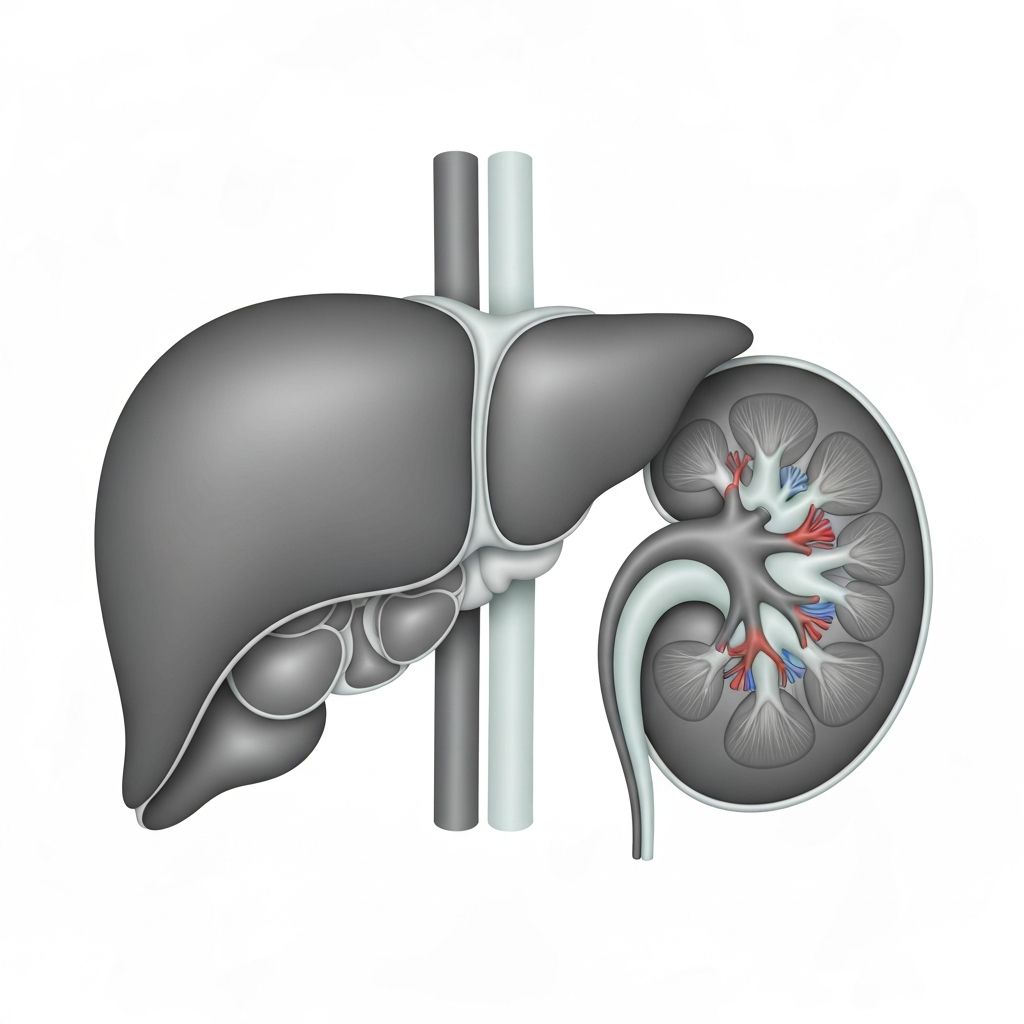
Primary Organs and Their Roles
The human body has evolved sophisticated systems to process and eliminate substances that cannot be used for energy or structural functions. These systems involve the liver, kidneys, lungs, skin, and gastrointestinal tract working in coordination.
Key Detoxification Organs
The liver is the primary organ responsible for metabolizing foreign compounds through enzymatic pathways. The kidneys filter metabolic waste from the bloodstream. The lungs eliminate volatile compounds through respiration. The skin has limited excretory function, primarily through sweat containing water-soluble compounds.
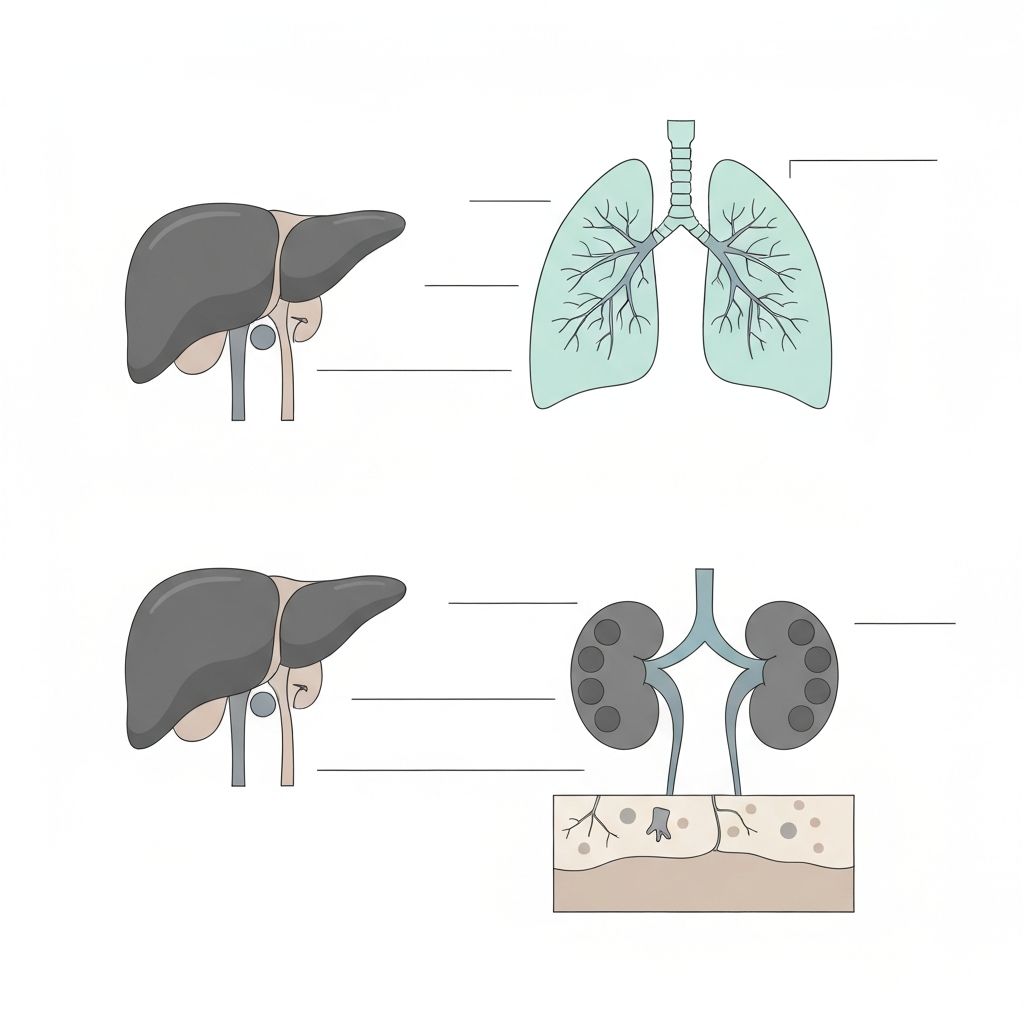
Liver Phase I and Phase II Metabolism
The liver processes foreign substances through two main phases of enzymatic metabolism.
Phase I: Oxidation and Modification
Phase I metabolism occurs primarily through the cytochrome P450 enzyme system. These enzymes catalyze oxidation, reduction, and hydrolysis reactions that modify xenobiotic molecules, making them more polar and easier to eliminate. This phase can sometimes create intermediate metabolites that require further processing.
Phase II: Conjugation and Excretion
Phase II involves conjugation of Phase I metabolites with water-soluble molecules such as glutathione, sulfate, or glucuronic acid. This process creates compounds that are readily excreted through bile or urine. Glutathione-S-transferases (GSTs), sulfotransferases (SULTs), and UDP-glucuronosyltransferases (UGTs) are the primary enzyme families involved.
These biochemical processes operate continuously and do not require external intervention or special products to function.
Renal Filtration and Excretion
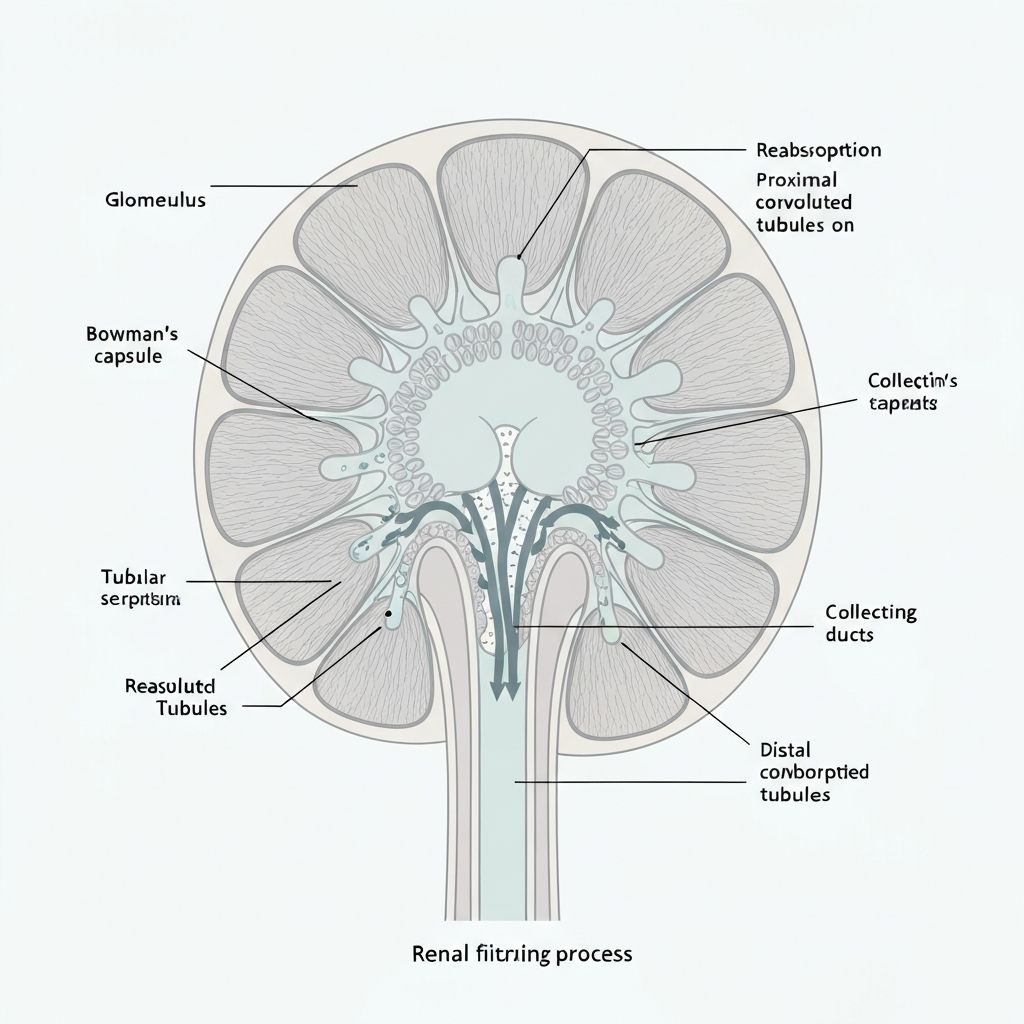
The kidneys maintain body fluid balance by filtering water-soluble metabolites from the bloodstream. This occurs through:
Glomerular Filtration
Small molecular compounds are filtered passively from the blood through the glomerular membrane, creating the primary filtrate.
Tubular Reabsorption
Essential nutrients and electrolytes are selectively reabsorbed as the filtrate moves through the renal tubules.
Tubular Secretion
Additional metabolic waste is actively secreted into the tubular fluid for elimination.
Common Misconceptions About Toxin Accumulation
Several widely circulated claims about toxin accumulation lack anatomical and histological support.
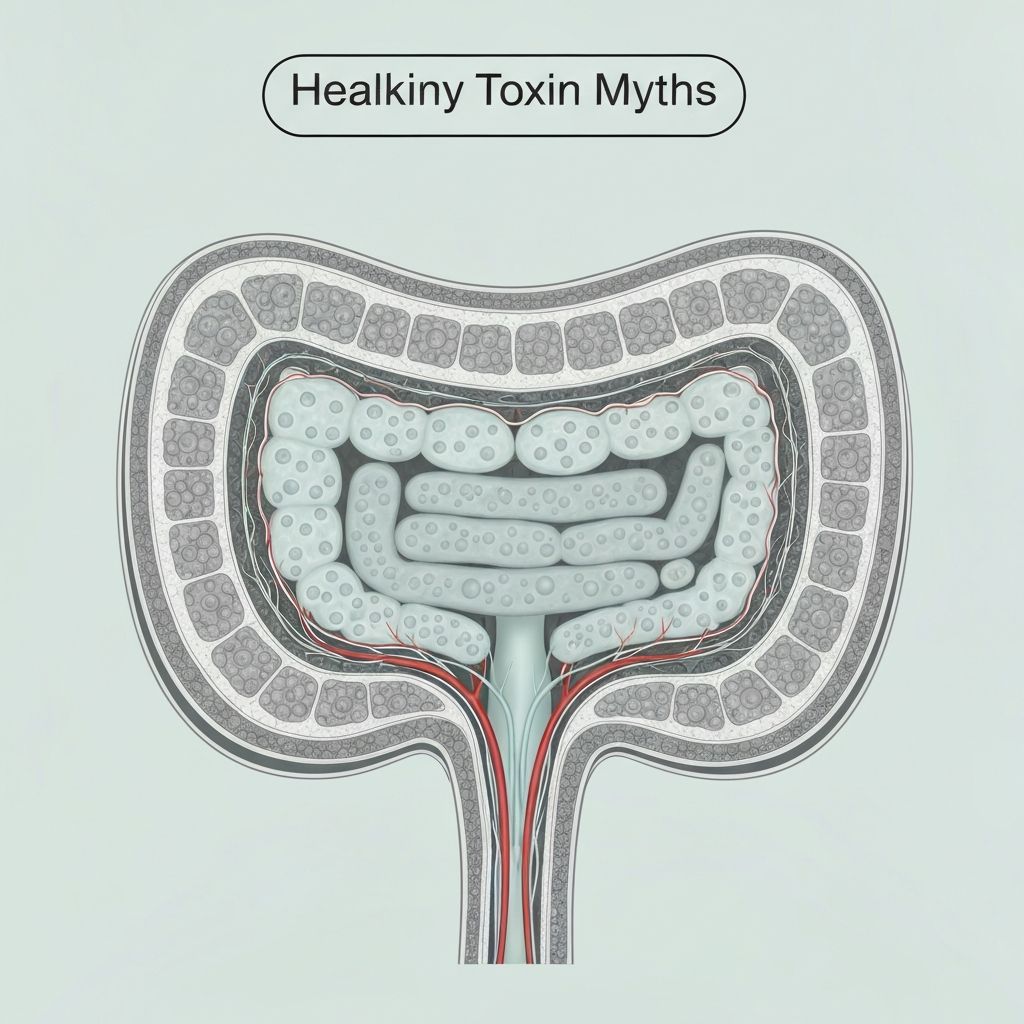
Myth: "Mucoid Plaque" and Intestinal Sludge
Claims of grey, rubbery intestinal deposits called "mucoid plaque" circulate in alternative health communities. Histological examination of normal colon tissue reveals no such substance. The intestinal lining naturally produces mucus for lubrication and protection, but it does not accumulate as described.
Myth: Toxin Accumulation in Fat Tissue
While lipophilic compounds can distribute into adipose tissue, the body continuously mobilizes and metabolizes these compounds through established Phase I and Phase II pathways. Fat tissue is not a "toxic storage depot."
Myth: "Liver Sludge" and Stagnation
The liver continuously processes compounds without requiring stagnation or buildup. Hepatic function tests, imaging, and biopsy findings in healthy individuals show no evidence of toxic sludge accumulation.
Scientific Definition of Toxins
The term "toxin" in scientific literature refers to any substance that causes adverse effects in organisms. Toxins are categorized as:
Endogenous Toxins
Metabolic byproducts generated by normal cellular processes, such as ammonia, urea, and carbon dioxide. The body continuously eliminates these through established excretory pathways.
Exogenous Toxins
External compounds that enter the body through food, air, water, or skin contact. These include synthetic chemicals, pesticides, heavy metals, and natural plant alkaloids. The body's Phase I and Phase II systems are specifically adapted to process exogenous compounds.
The concept of undefined "toxins" that accumulate and require special removal is not supported by toxicology or biochemistry.
Why Commercial Detox Products Lack Evidence
Numerous clinical trials have examined commercial detox products including juice cleanses, herbal formulations, and supplement regimens. Key findings:
Juice Cleanses
Randomized controlled trials show no significant improvement in markers of liver or kidney function compared to control groups.
Detox Supplements
Meta-analyses of detoxification supplement studies reveal no consistent evidence of benefit to Phase I or Phase II enzyme activity or biomarker profiles.
Herbal Formulations
Claims of "liver cleansing" herbal teas are not substantiated by clinical evidence of altered hepatic function.
Weight Loss During Juice Fasts and Cleanses: What Is Actually Lost?
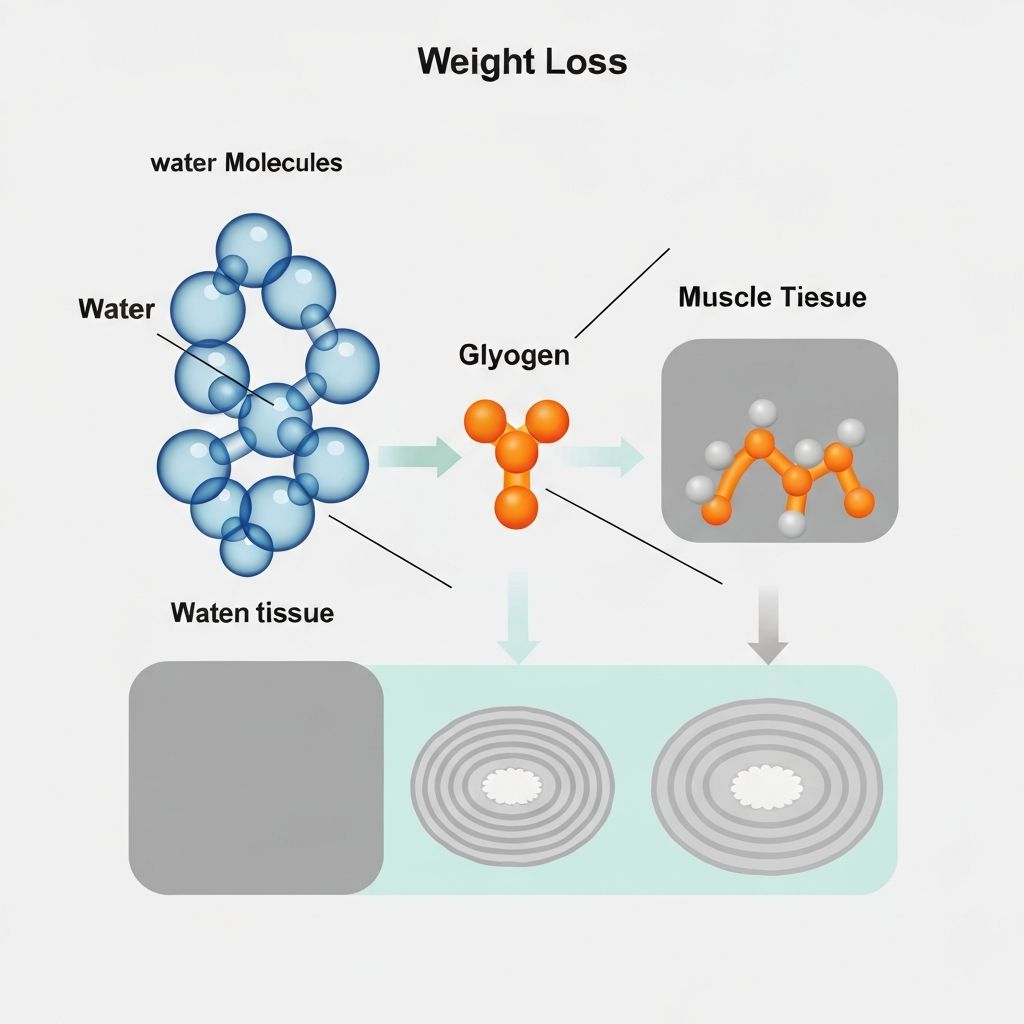
Rapid weight loss during cleansing protocols is often attributed to "toxin elimination." Scientific analysis of weight composition changes reveals:
Water Loss
Glycogen depletion triggers rapid water loss (approximately 3 grams of water per 1 gram of glycogen). This accounts for 50-60% of weight loss in short-term fasting.
Lean Muscle Loss
Extended caloric restriction causes breakdown of muscle protein for gluconeogenesis. Lean mass loss represents 20-30% of weight decrease.
Adipose Tissue Loss
True fat loss occurs at a slower rate than water and muscle loss, representing only 10-20% of total weight reduction in short-term cleansing protocols.
No unique "toxin loss" mechanism explains weight reduction during cleanses. The composition is identical to weight loss from any caloric deficit.
Historical Origins of Modern Detox Concepts
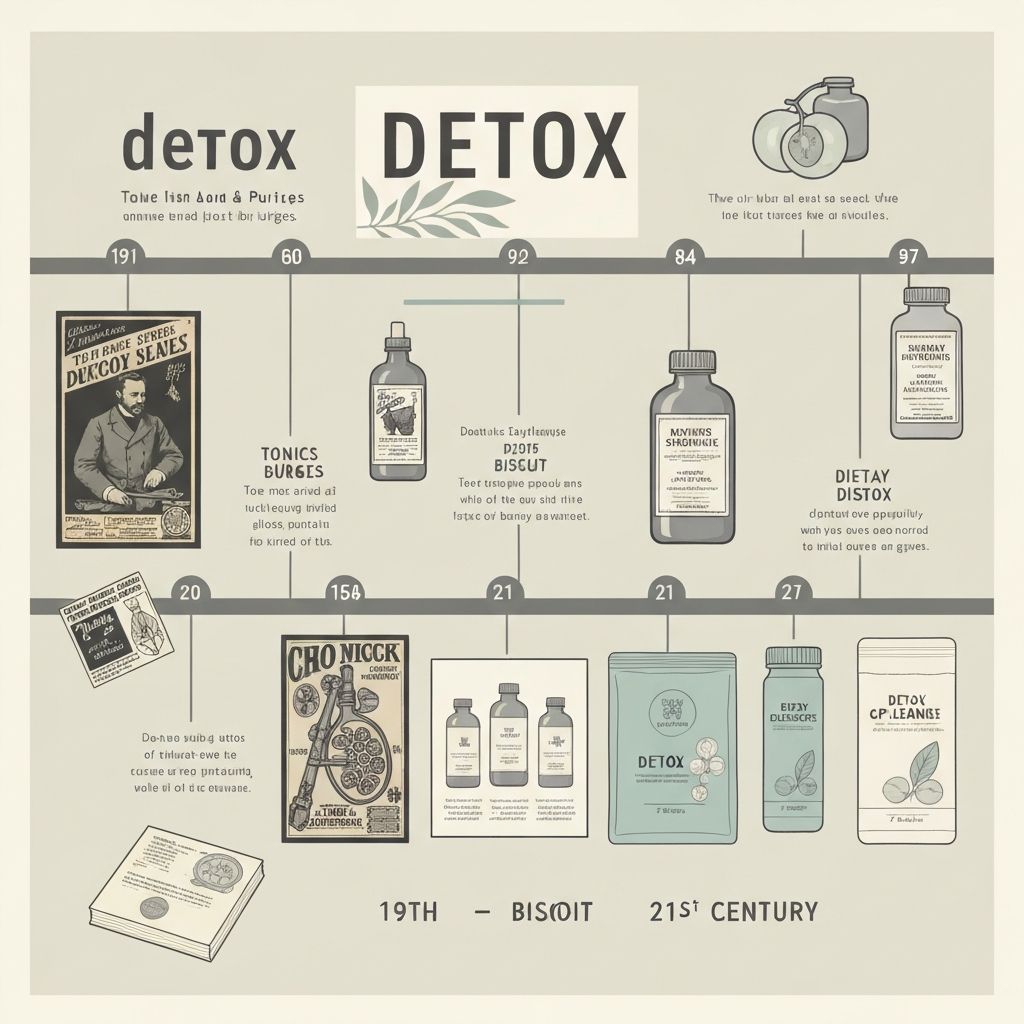
The modern "detoxification" industry emerged from 19th-century medical practices and evolved through 20th-century marketing strategies.
19th Century: Autointoxication Theory
Early medical practitioners proposed that putrefactive bacteria in the colon produced "autotoxins" that caused systemic illness. This theory was eventually disproven but established the framework for commercial colon cleansing.
Mid-20th Century: Wellness Industry Emergence
As conventional medicine advanced, alternative practitioners adapted "detox" language to promote natural health products and fasting protocols.
Late 20th-21st Century: Marketing Evolution
The detox industry expanded with celebrity endorsements, social media promotion, and sophisticated marketing linking detoxification to weight loss, beauty, and disease prevention—claims not supported by clinical evidence.
Research Limitations and Current Scientific Consensus
Systematic reviews and meta-analyses of detoxification research reveal consistent patterns:
Lack of Standardized Definitions
No consensus definition of "detoxification" exists in scientific literature, making comparison across studies difficult.
Inadequate Study Design
Many detoxification studies lack blinding, placebo controls, or adequate sample sizes—critical components of rigorous clinical research.
Biomarker Limitations
Studies often measure undefined or irrelevant biomarkers rather than established markers of liver or kidney function.
Publication Bias
Positive results are more likely to be published, skewing the apparent evidence base in favor of detoxification claims.
Frequently Asked Questions
Do I need to do anything special to support my body's detoxification?
No. The liver, kidneys, and other organs function continuously without requiring special products, supplements, or protocols. Adequate hydration, balanced nutrition, and regular sleep support overall health. Specific "detox" interventions add no additional benefit.
Are commercial detox teas and juices effective?
No clinical evidence supports improved detoxification markers from commercial products. Some may have diuretic or laxative effects, leading to water weight loss, but this is not "toxin elimination."
What about activated charcoal and other supplements?
Activated charcoal is used medically in emergency settings for specific poisonings. It has no proven benefit in commercial "detox" formulations for removing metabolic waste from healthy individuals.
If the body detoxifies naturally, why do people feel better after a cleanse?
Perceived improvements may result from placebo effects, reduced caloric intake, increased water consumption, or changes in eating patterns. Rigorous studies controlling for these factors show no additional benefit from specific detoxification protocols.
Are there any risks to detox protocols?
Extended fasting or juice cleanses can cause electrolyte imbalances, muscle loss, and metabolic derangements. For individuals with medical conditions or taking medications, such protocols may pose additional risks.
Explore Detailed Organ Function Articles
Liver Phase I and Phase II
Detailed biochemical mechanisms of cytochrome P450 and conjugation pathways.
Read the detailed physiological explanationRenal Excretion
How kidneys filter and eliminate metabolic byproducts from the bloodstream.
Learn more about renal processesMucoid Plaque Debunked
Anatomical and histological evidence against intestinal sludge claims.
Explore related evidenceWeight Loss During Fasts
What actually comprises weight loss during juice cleanses and fasting.
Continue readingDetox Products Research
Clinical trial outcomes on commercial detoxification formulations.
Learn more about evidenceDetox Marketing History
Historical origins of modern detoxification concepts and industry evolution.
Explore scientific contextInformation Limitations and Context
This educational content explains human detoxification physiology and addresses common misconceptions. It provides general information only and does not constitute medical, nutritional, or health advice. Approaches to personal health vary widely. This content does not replace professional medical or nutritional consultation. For health concerns, consult qualified healthcare providers.
Educational content only. No promises of outcomes.